Rail contractor software

The margin you bid on a rail job vs. the margin you keep.

On a rail build that runs for weeks or months, most contractors only find out a job is losing money when the monthly ERP report lands. Assignar is the margin control platform that sits between your field and your finance, so you see actuals against budget while the work is still running, and bill every hour, docket and variation you deliver.

Trusted by rail contractors across Australia, New Zealand and North America, including Martinus Rail and Infraworks.
Rail duplication · Stage 2Week 6 of 14 · Track, signalling & civil works Live
Budget
$4.82M
Actual to date
$1.96M
Forecast margin
18.6%
ItemStatusvs budget
Track gang 3 · Formation & ballastTickets valid-2.1%
Hi-rail excavator HR-07Pre-start doneOn track
Signalling crew · Cable routeOver budget+6.8%
Variation · Unmapped servicesDocket signed+$18,400 billable

43% of program completeUpdated from today's timesheets

Where rail margin goes

In rail, margin leaks long before the project closes.

Rail builds run for weeks or months, across multiple sites, shifts and shutdown windows. By the time paper dockets, spreadsheets and the ERP catch up, the money is already gone.

  • Month-end is too late

    Cost overruns and slipped scope stay invisible until the monthly report. By then you're weeks deeper into the job, and your project controls are running on last month's data.

  • Variations fall through the cracks

    Latent conditions and extra scope get done on site, but the docket goes missing, the photos sit on someone's phone and the variation never makes it to the claim.

  • Plant cost hides in overheads

    Hi-rail and specialist plant is your biggest capital outlay, yet standby, repairs and travel are rarely tied back to the machine. You can't tell which assets earn their keep.

  • Tickets live in spreadsheets

    Track safety, protection and plant competencies are tracked by hand. One expired ticket can stand down a crew and blow a shutdown window you waited months for.

$34b

spent on Australian transport infrastructure above original budgets since 2001

30%

average cost blowout on transport megaprojects over $1 billion

Budget pressure on rail programs flows straight down to the contractors delivering them. The ones who protect their margin are the ones who can see it in real time.

Source: Grattan Institute, "$34b and counting: beware cost overruns in an era of megaprojects"

Margin control for rail

Operations becomes a profit flywheel.

Assignar connects every stage of a rail job, from the bid to the invoice, so the margin you plan for is the margin you bank.

  1. Plan

    Run the work

    The right crew, plant and tickets on every shift.

    • Schedule crews, operators, protection and hi-rail plant together
    • Compliance and fatigue checks before anyone is allocated
    • Down machines drop off the schedule automatically
  2. Operate

    Capture every dollar

    Hours, dockets and variations, captured on track.

    • Timesheets, pre-starts and site diaries on mobile
    • Day work dockets signed on site with photo evidence
    • ITP hold points signed off before the crew moves on
  3. Pay

    Protect the margin

    Actuals vs. budget, live, job by job.

    • Every labor and plant hour coded to the job as it happens
    • Schedule of Rates, Schedule of Values and day works in one system
    • Invoices and payroll built from approved field data
  4. Win

    Build more

    Bid from the unit costs you budgeted, not the ones that surprise you.

    • Real cost per project, per crew and per machine
    • Price the next tender on what work actually cost
    • Put the margin you kept into the next job

Build more feeds straight back into Run the work. Every job makes the next bid sharper.

Built for how rail runs

One platform for the people, plant and paperwork behind every rail build.

Not another point tool. Scheduling, compliance, field capture, job costing, billing and payroll share the same data, so nothing gets re-keyed and nothing gets lost.

  • Scheduling across the whole program

    Plan crews, protection officers, operators and plant across weeks of work, including the shutdowns and possessions you can't afford to miss. See conflicts, expired tickets and unavailable machines before the shift, not during it.

  • Tickets, competencies and HSEQ

    Keep track safety, protection and plant competencies on every worker profile with expiry alerts. Collect pre-starts, inductions and incident reports, and walk into audits with the evidence ready.

  • Dockets and day works on track

    Crews log hours, materials and unplanned work on their phones, with photos and a client signature. The docket flows straight into the claim, so variations get paid.

  • Mixed billing in one system

    Run Schedule of Rates for reactive maintenance, Schedule of Values for fixed-scope packages and day works for the surprises, side by side, on the same job.

  • Plant cost per machine

    Report faults from the field, raise work orders and log repair labor and parts against each asset. See maintenance cost next to utilization and spot the machines that cost a lot but rarely work.

  • ITPs with hold points that hold

    Run inspection and test plans in the app. Mandatory sign-offs lock the next activity until they're done, and you hand over one close-out pack instead of chasing evidence by email.

  • Subcontractors in the same workflow

    Bring subbies into the job with SubHub. They complete their own forms and ITP sections, and you keep one record of who did what on the corridor.

  • Live job costing and cost-to-complete

    Field actuals, POs and supplier invoices roll into each job as they happen. Project engineers stop triple-handling the cost tracker, the program and the forecast.

  • Payroll and ERP, without the re-keying

    Approved timesheets carry pay rates, allowances and cost codes through to payroll and your accounting system, so the office stops reconciling the same hours twice.

The cash flow story

Get paid for every shift you work.

In rail, revenue gets stuck between the corridor and the office: in a ute, in an inbox, in a spreadsheet waiting for someone to key it. Assignar closes the gap so claims go out faster and nothing billable gets left behind.

  • Dockets signed on site, not chased a week later
  • Day works and variations captured with evidence, so they hold up at claim time
  • Claims built from approved field data, not reconstructed at month-end
  • Standby and plant hours recorded against the job, so you can charge for them
  • One record for client hours, ending the mismatch between your system and the principal's

One job, three ways to bill

Schedule of Rates
Reactive and maintenance work billed at agreed rates from approved dockets.
Schedule of Values
Fixed-scope packages claimed on progress, with the field evidence attached.
Day works
Unplanned work and latent conditions, captured and signed on site the day they happen.

All three on the same job, in the same system.

How it works on a job

One rail build, week by week.

Here's a 14-week track and signalling package in Assignar, from mobilisation to the monthly claim.

  1. Week 0

    Plan the program

    Load the budget and cost codes, then schedule crews, protection and plant across the job. Assignar flags expired tickets and suggests qualified replacements.

  2. Every shift

    Capture on track

    Crews confirm shifts, complete pre-starts and log hours, plant and materials in the app. Variations get a docket, photos and a client signature on the day.

  3. Every week

    See the margin

    The project engineer reviews actuals against budget and cost-to-complete each week, not at month-end, and fixes overruns while there's still job left to fix them.

  4. Week 8

    Nail the shutdown

    The weekend possession gets the right people, tickets and plant locked in early, and its cost is visible the morning the track is handed back.

  5. Month-end

    Claim and pay

    The progress claim and variations go out with the evidence attached, and payroll picks up the same approved hours.

Rail customer stories

Rail contractors trust Assignar to protect their margin.

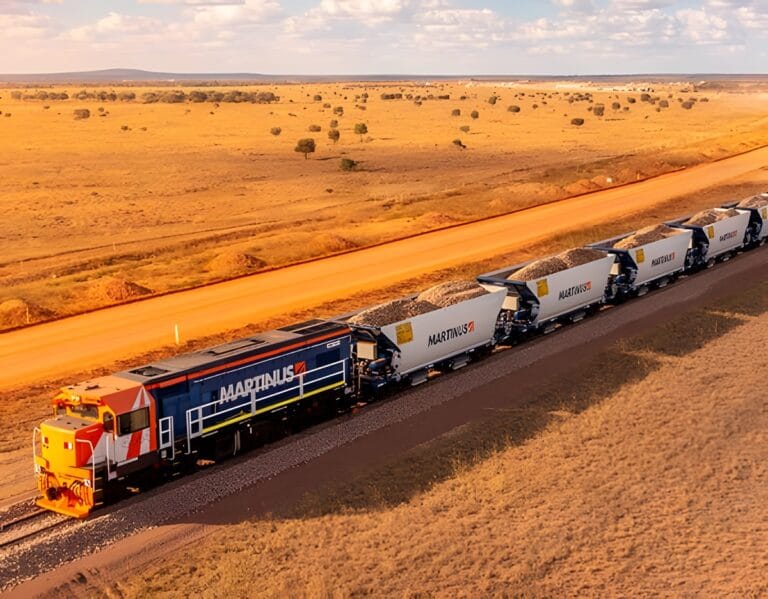
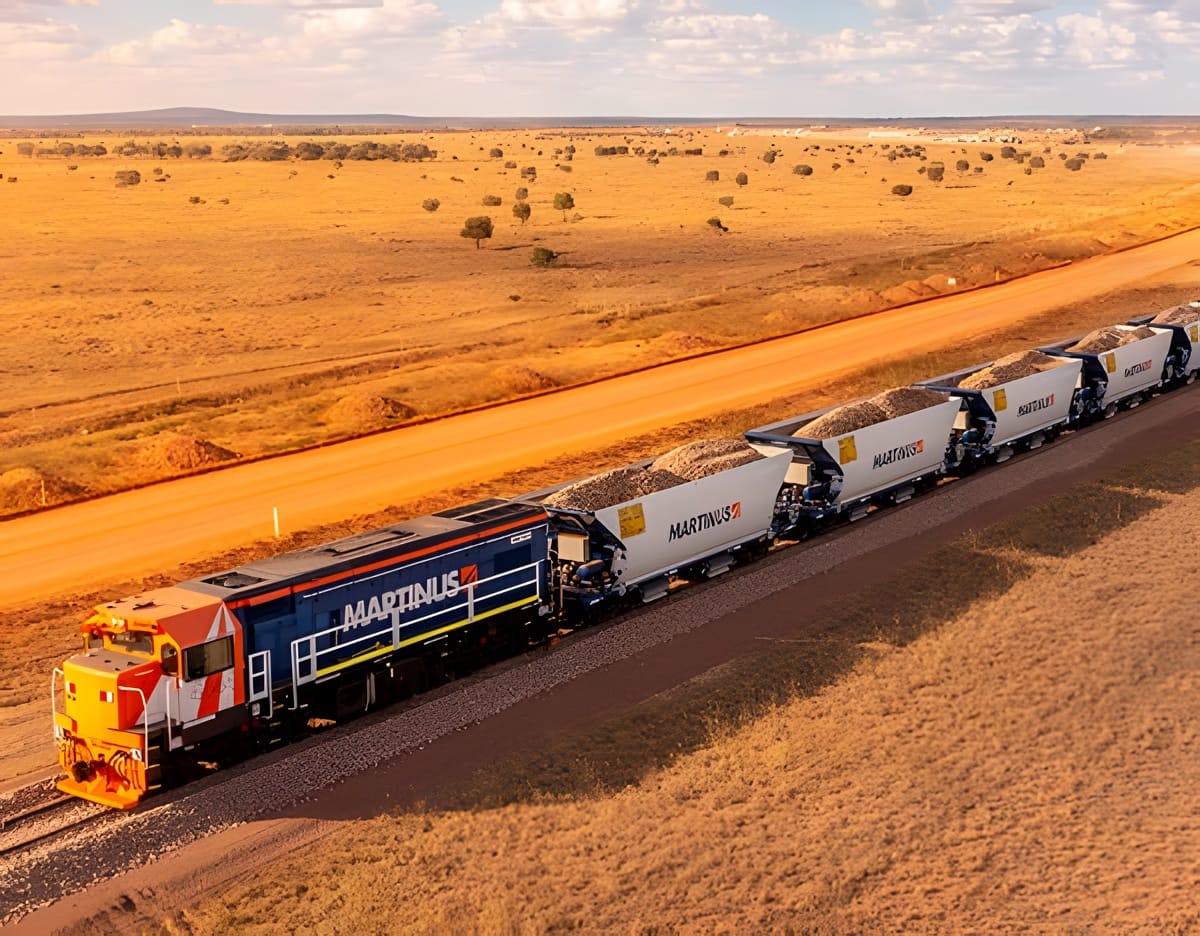
Martinus locomotive hauling ballast wagons along a rail corridor

Martinus Rail

From paper dockets to true cost in real time

Martinus Rail replaced paper dockets and spreadsheets with Assignar for timesheets, site diaries and approvals. Engineers now pull daily reports on progress, cost and photo evidence, so the business can track true cost in real time and adjust budgets while the work is still running.

“It's less about perfect analysis and more about timely insight. There's a much stronger expectation to turn around answers in hours rather than days.”
Craig Melcer, Plant Accountant, Martinus Rail
employees supported through rapid growth
500 → 1,500
cost and progress reporting, not monthly
Daily
Read the full case study
“Because of Assignar, we have been able to get more business while our allocation team became 50% more efficient.”
Infraworks, rail services provider, NSW
“Assignar allows us to monitor our compliance at all times.”
Infraworks
“If [field workers] are able to articulate their problem, and we help them solve the problem at the same time, then the buy-in's already done.”
Shelley Van Hoos, Head of Technology, Martinus Rail
  • Case study

    How real-time reporting improves efficiencies with Martinus Rail

    Read the story →
  • Case study

    Infraworks: timesheets, compliance and insights

    Read the story →
  • Case study

    Martinus Rail streamlines scheduling and compliance across a growing workforce

    Read the story →

FAQ

Common questions from rail contractors

What is rail contractor software?

Rail contractor software helps self-perform rail and civil contractors run track work, signalling, overhead wiring and corridor maintenance from one system. Assignar covers scheduling crews and plant, worker competencies and safety, field timesheets and dockets, job costing, billing and payroll, so field activity turns into live cost and cash visibility.

Can Assignar handle Schedule of Rates, Schedule of Values and day works on the same job?

Yes. Rail jobs often mix reactive work billed on rates, fixed-scope packages billed on progress and unplanned day works. Assignar runs all three side by side and builds claims from approved field data, with the evidence attached.

How does Assignar handle long rail projects with possessions along the way?

You plan the whole program, weeks or months of crews and plant, in one schedule, with shutdowns and possessions (track windows) built in. Assignar flags conflicts, expired competencies and unavailable machines before each shift. Hours, dockets and variations come in from the field every day, so you see cost against budget and cost-to-complete throughout the job, not just at month-end.

Can we track rail safety tickets and competencies?

Yes. Store track safety, protection, plant and site competencies on each worker profile with expiry alerts, bulk-load your existing competency matrix, and use compliance checks when scheduling so only qualified people are allocated.

Does it integrate with our ERP, payroll and accounting system?

Yes. Assignar sends approved timesheets, cost codes, pay rates and invoices to your accounting and payroll systems through native integrations or our public API, so your finance team stops re-keying field data.

Will our crews actually use the app?

Rail crews use Assignar on their own phones to confirm shifts, complete pre-starts and forms, and submit timesheets. Infraworks reports that 99% of its workers love the app, and more than 50,000 field workers use Assignar every day.

Can subcontractors work in Assignar too?

Yes. With SubHub, subcontractors complete their own forms and ITP sections in the app, so you keep one shared record across your own crews and the subbies on the corridor.

Your ERP tells you a job lost money. We help you keep it.

Bring your next rail job. We'll show you the crews, plant, dockets and live margin in Assignar, using a project that looks like yours.